Discover the spiritual charm, ancient temples, beautiful waterfalls and natural beauty of Amarkantak – one of the most peaceful destinations in Madhya Pradesh.
Nestled among the beautiful Maikal Hills of Madhya Pradesh, Amarkantak is a destination where spirituality and nature come together. Known as the origin of the holy Narmada River, this sacred town attracts pilgrims, nature lovers, photographers and travellers seeking a peaceful escape.
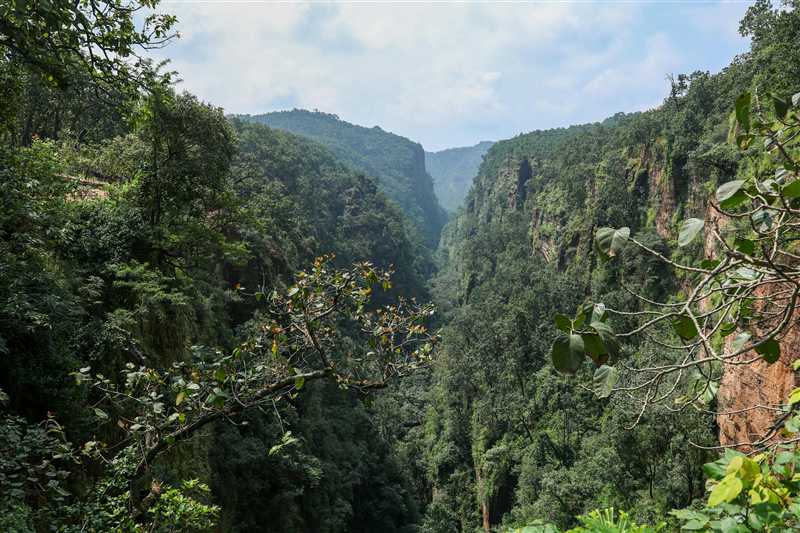
Surrounded by forests, hills, ancient temples and flowing waterfalls, Amarkantak offers an experience that is very different from the usual holiday destinations.
For those planning a spiritual journey, a Narmada Parikrama, a family holiday or a nature getaway, Amarkantak deserves a place on the Madhya Pradesh travel map.
Amarkantak is popularly known as Teerthraj, meaning the King of Pilgrimage Sites. It is situated in the Anuppur district of Madhya Pradesh, in the Maikal mountain region.
The destination holds special religious and geographical importance because the Narmada, Sone and Johila rivers originate in the Amarkantak region.
The Narmada is one of India's most revered rivers. Its spiritual importance attracts devotees from across the country, while the surrounding forests and waterfalls make Amarkantak equally appealing to nature enthusiasts.
It is a place where visitors can experience:
Sacred temples and religious traditions
The origin of the Narmada River
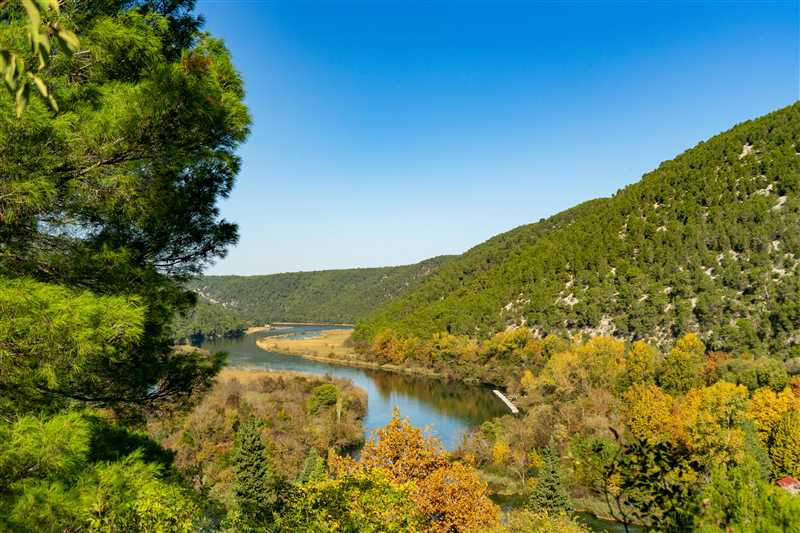
Beautiful waterfalls and forest landscapes
Ancient Kalachuri-era temple architecture
Peaceful nature walks and scenic viewpoints
Local culture and spiritual experiences
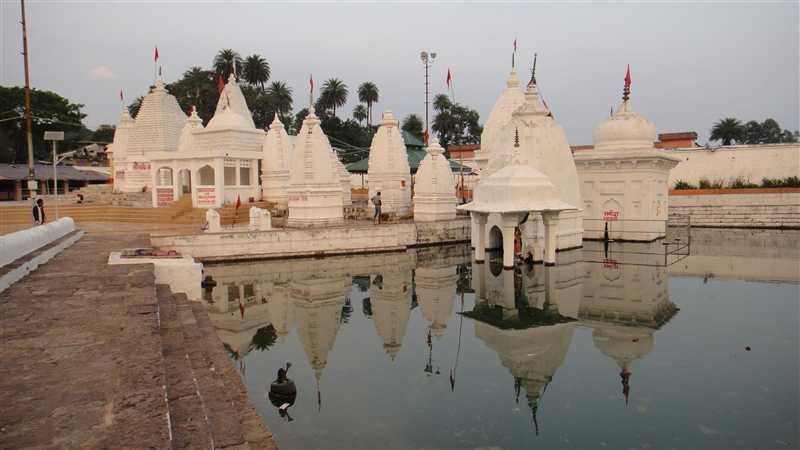
Narmada Udgam Temple is the most important spiritual attraction in Amarkantak. The temple complex is built around the sacred Narmada Kund, which is traditionally regarded as the source of the Narmada River.
Devotees visit this place to offer prayers, perform rituals and experience the spiritual atmosphere surrounding the river's origin.
The temple complex also features several smaller shrines and religious structures.
Why visit: Experience one of the most significant pilgrimage destinations associated with the River Narmada.
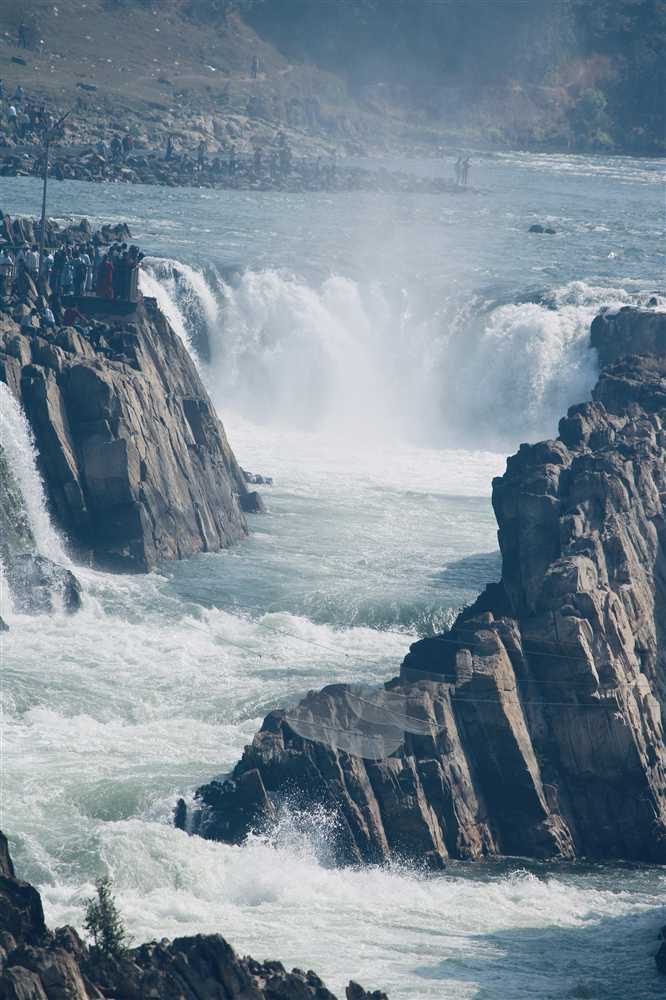
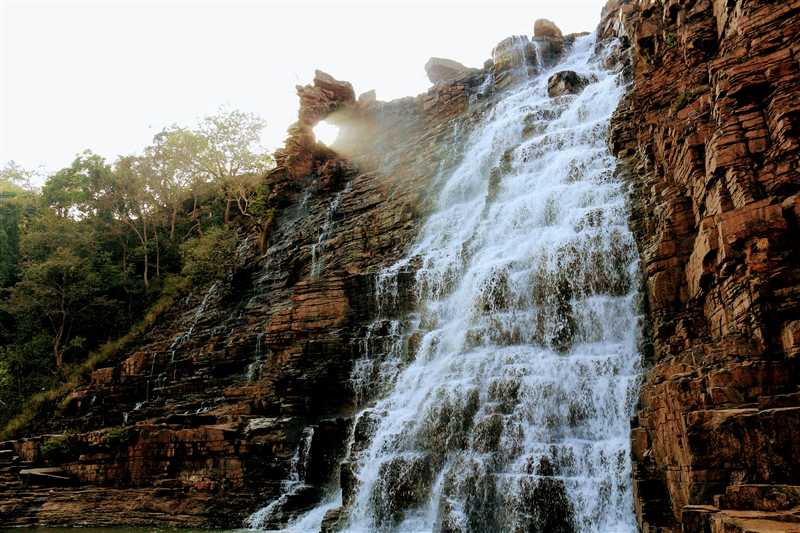
Kapildhara is one of the most famous waterfalls near Amarkantak. Here, the Narmada flows over a rocky cliff, creating a beautiful cascade surrounded by natural landscapes.
The waterfall is associated with Sage Kapil, who is believed to have meditated in this region.
During and after the monsoon, the surrounding greenery adds to the beauty of the location.
Why visit: Enjoy scenic views, nature photography and the refreshing atmosphere of the waterfall.
Located close to Kapildhara, Dugdh Dhara is another beautiful waterfall on the Narmada.
The name refers to the milky appearance created by the frothing water as it flows over the rocks.
A walk between the natural attractions can make the visit even more memorable. Visitors should take care on slippery paths and follow local safety instructions.
Why visit: Explore another beautiful waterfall and enjoy the natural surroundings.
Mai Ki Bagiya is a beautiful woodland garden associated with Goddess Narmada.
Surrounded by trees and natural vegetation, the garden offers a peaceful environment for visitors. Local traditions connect this place with the stories of Goddess Narmada.
It is a lovely place to slow down, enjoy the greenery and experience the spiritual side of Amarkantak.
Why visit: Experience a peaceful combination of nature, local beliefs and spirituality.
Sonemuda is associated with the origin of the Sone River and is known for its scenic surroundings.
The location offers beautiful views of the surrounding hills and forest landscape. It is particularly attractive for visitors who enjoy natural viewpoints and photography.
Why visit: Enjoy panoramic scenery and discover another important river-origin site in the Amarkantak region.
Amarkantak is not just a pilgrimage destination; it also has a rich architectural heritage.
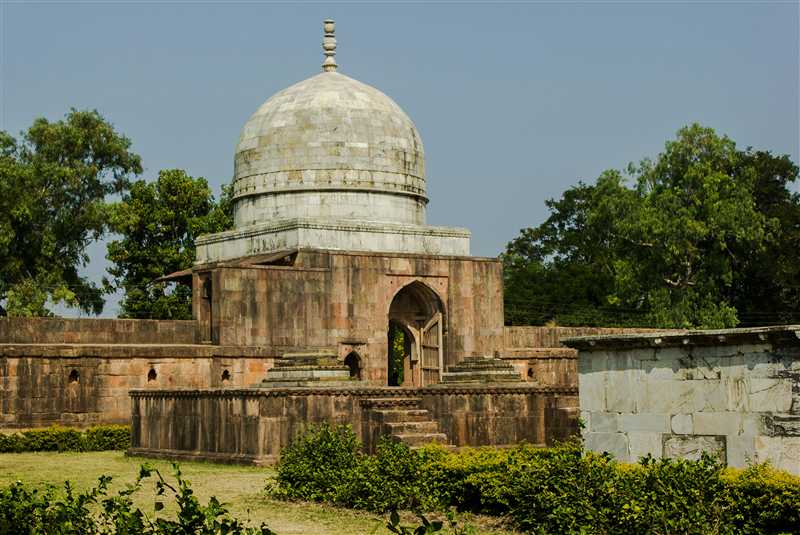
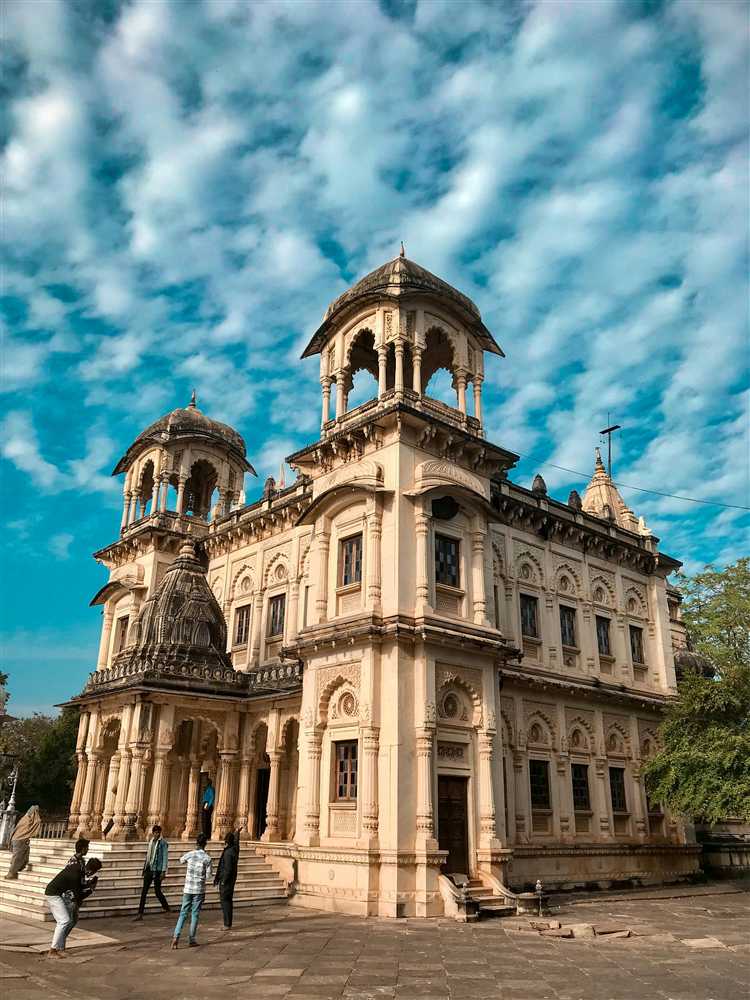
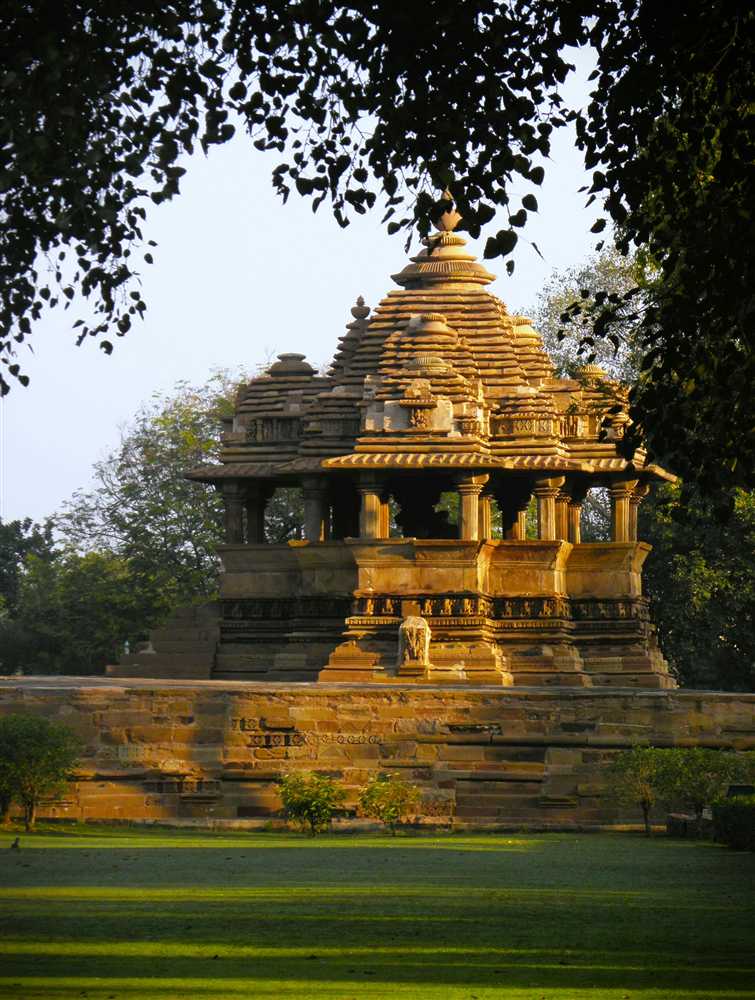
The ancient Kalachuri temple group reflects the region's historical importance. These stone temples feature traditional architectural elements and intricate craftsmanship.
The temples offer visitors an opportunity to explore the history and cultural heritage of Central India.
Why visit: Discover ancient temple architecture and the historical legacy of Madhya Pradesh.
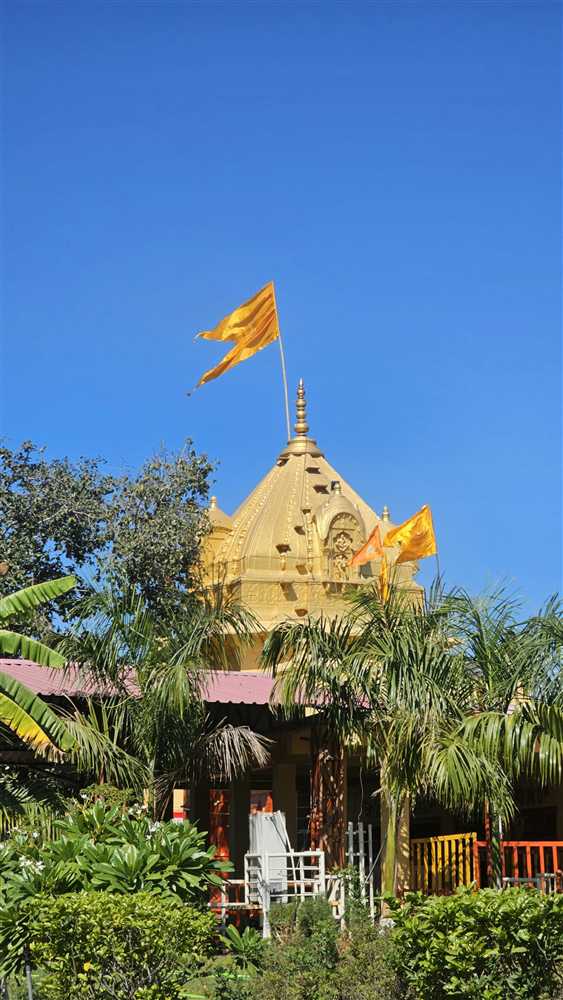
Shri Yantra Mandir is known for its distinctive architectural design and impressive sculptures.
The entrance features large representations of deities, including Goddess Lakshmi, Saraswati, Kali and Bhuvaneshwari.
The temple's design draws inspiration from the Sri Yantra, an important symbol in Hindu spiritual traditions.
Why visit: Explore its distinctive architecture, sculptures and spiritual significance.
Kabir Chabutra is associated with the mystic poet and saint Kabir, who is traditionally believed to have spent time meditating in this region.
The peaceful surroundings make it an interesting stop for travellers interested in India's spiritual traditions and cultural heritage.
Why visit: Discover the spiritual stories and traditions connected with Sant Kabir.
Amarkantak can be visited throughout the year, but the experience changes with the seasons.
September to February – Pleasant Weather
This is generally a comfortable period for sightseeing, temple visits and exploring the natural attractions. The post-monsoon landscape is especially beautiful.
March to June – Summer Season
Temperatures can rise during summer, but the hill surroundings can offer a different experience from the hotter plains. Plan outdoor sightseeing during comfortable hours.
July to September – Monsoon Beauty
The forests become greener, and waterfalls can become more impressive. However, heavy rain may affect road conditions, walking routes and access to certain attractions.
Travellers should check local weather and access conditions before visiting waterfalls or forest areas.
Amarkantak is accessible by road and can be reached from several cities in Madhya Pradesh and neighbouring states.
Jabalpur and Raipur are among the airports travellers can consider when planning a journey to Amarkantak. The choice depends on flight availability and the overall travel route.
Pendra Road in Chhattisgarh and Anuppur in Madhya Pradesh are useful railway access points for reaching Amarkantak.
Travellers can arrange road transfers from these railway stations.
Amarkantak is connected by road with Anuppur, Shahdol, Jabalpur, Bilaspur and other regional destinations.
A private taxi or customised road trip is a convenient option for travellers who want to explore nearby attractions along the way.
Day 1: Arrival in Amarkantak
Arrive at Amarkantak, check in to your accommodation and relax. Later, visit Narmada Udgam Temple and explore the surrounding temple complex.
Day 2: Waterfalls and Nature Exploration
After breakfast, explore Kapildhara Waterfall and Dugdh Dhara. Continue towards Mai Ki Bagiya and enjoy the peaceful forest surroundings. Visit Sonemuda, subject to local access and available time.
Day 3: Heritage and Departure
Visit the ancient Kalachuri temples and Shri Yantra Mandir. Depending on your departure schedule, explore Kabir Chabutra before continuing your onward journey.
This is a suggested itinerary. Actual sightseeing order and travel time can be adjusted according to accommodation, road conditions and local access.
For many devotees, Amarkantak is more than a sightseeing destination. It is the spiritual starting point associated with the sacred Narmada River.
The Narmada Parikrama is a traditional pilgrimage in which devotees undertake a journey along the banks of the river and follow established religious practices.
Amarkantak is an important place for pilgrims interested in understanding the spiritual significance of the Narmada.
Travellers planning a Narmada Parikrama can include Amarkantak in their pilgrimage arrangements and explore other important destinations associated with the river, such as:
Omkareshwar
Maheshwar
Narmadapuram
Jabalpur
Mandla
A customised itinerary can help travellers combine important pilgrimage locations with comfortable travel arrangements.
Before planning your trip, keep these useful tips in mind:
Carry comfortable walking shoes for visiting waterfalls and temple surroundings.
Dress modestly when visiting religious places.
Carry light woollens during cooler months.
Keep drinking water and basic medicines with you.
Avoid visiting waterfalls during unsafe weather conditions.
Respect local customs and religious traditions.
Avoid littering in forest areas and near waterbodies.
Plan your transport in advance, particularly if arriving by train or flight.
Amarkantak is one of the most beautiful combinations of spirituality, history and natural beauty in Madhya Pradesh.
Whether you want to visit the sacred origin of the Narmada, discover ancient temples, explore waterfalls or plan a longer pilgrimage, this destination offers something special for every traveller.
At TravelMP.in, a unit of Travel Tracks DMC, we help travellers and travel partners discover Madhya Pradesh through customised tour packages and travel arrangements.
Explore our Madhya Pradesh experiences and plan your next journey to the Heart of India.
TravelMP.in – Discover the Heart of India.
Website: www.travelmp.in
Email: b2b@travelmp.in
Contact: +91 77709 17775
Amarkantak is famous as the traditional origin of the Narmada River, its sacred temples, waterfalls, natural beauty and spiritual importance.
Amarkantak is located in the Anuppur district of Madhya Pradesh, in the Maikal Hills.
A 2-night / 3-day visit is a useful starting point for exploring the main temples, waterfalls and natural attractions.
The Narmada, Sone and Johila rivers originate in the Amarkantak region.
Narmada Udgam Temple, Kapildhara, Dugdh Dhara, Mai Ki Bagiya, Sonemuda, the Kalachuri temples, Shri Yantra Mandir and Kabir Chabutra are among the important attractions.
Yes. Amarkantak is an important spiritual destination associated with the Narmada and can be included in a customised Narmada pilgrimage itinerary.
September to February is generally a pleasant period for sightseeing and exploring the destination.