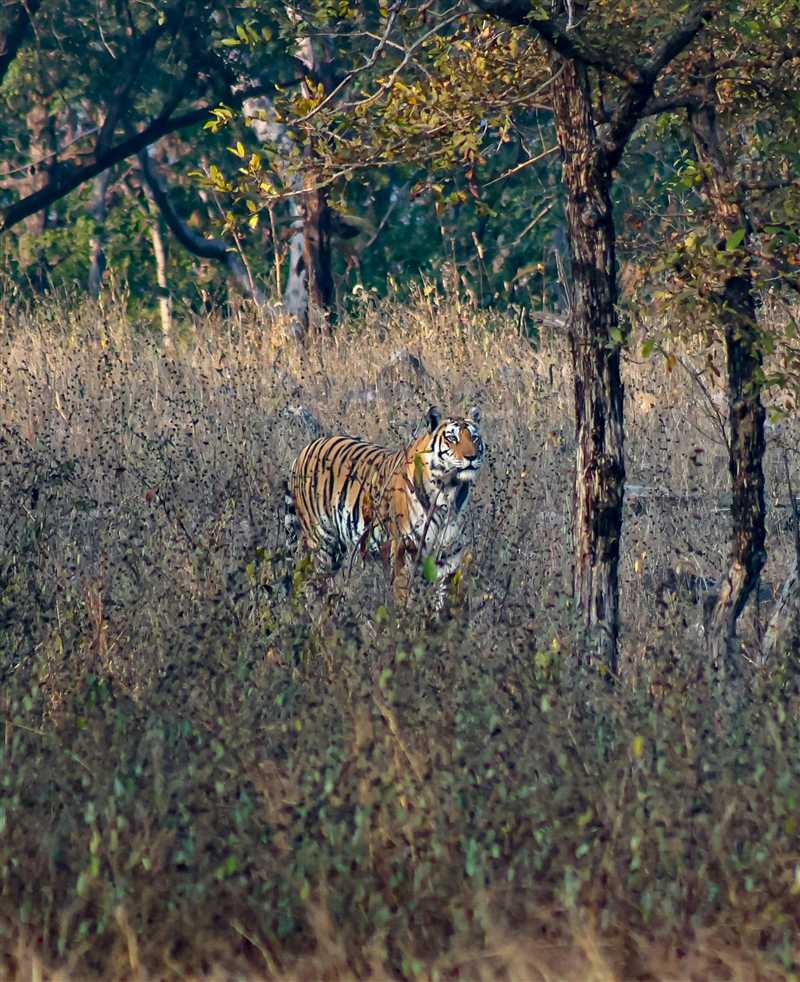
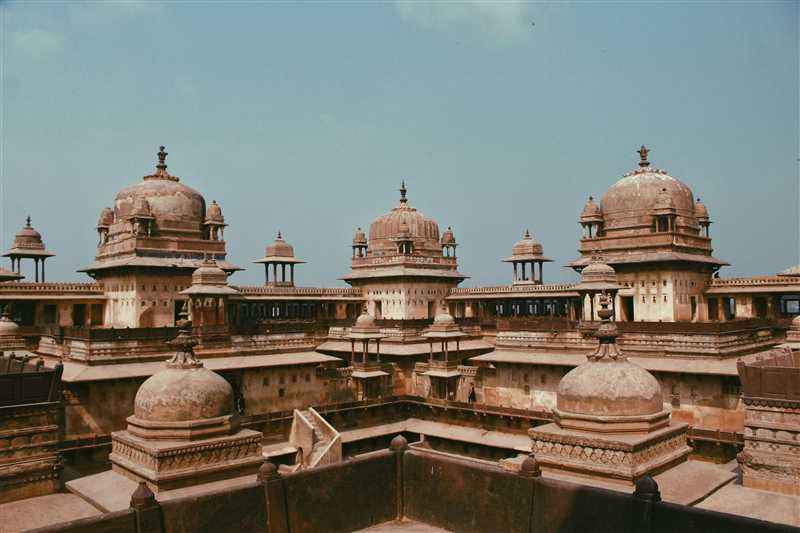
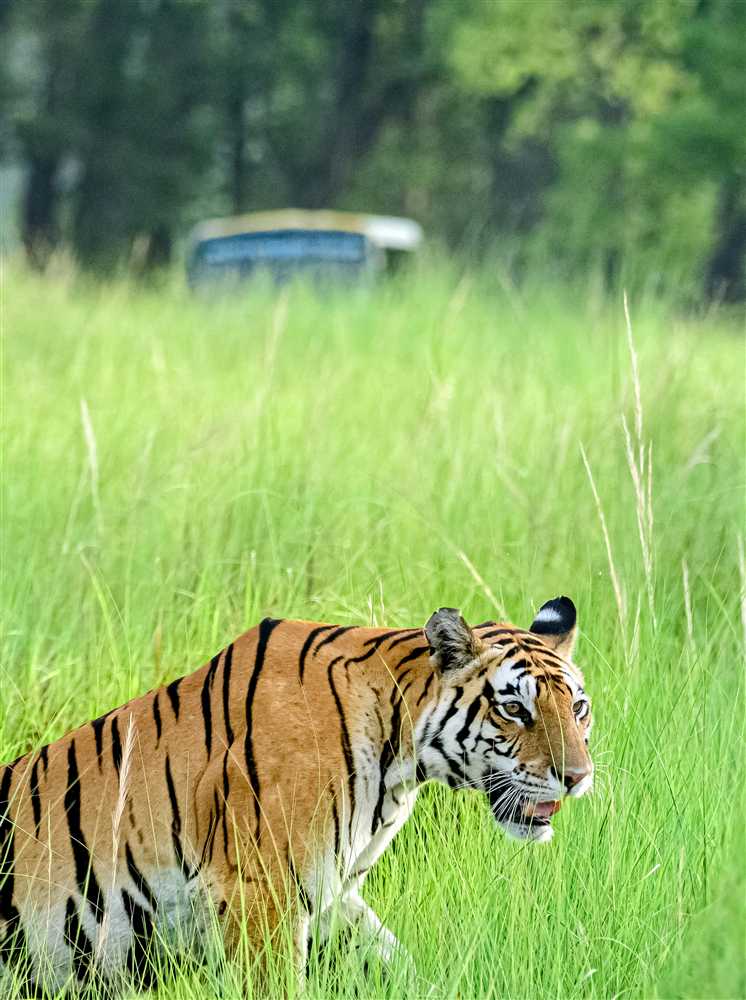
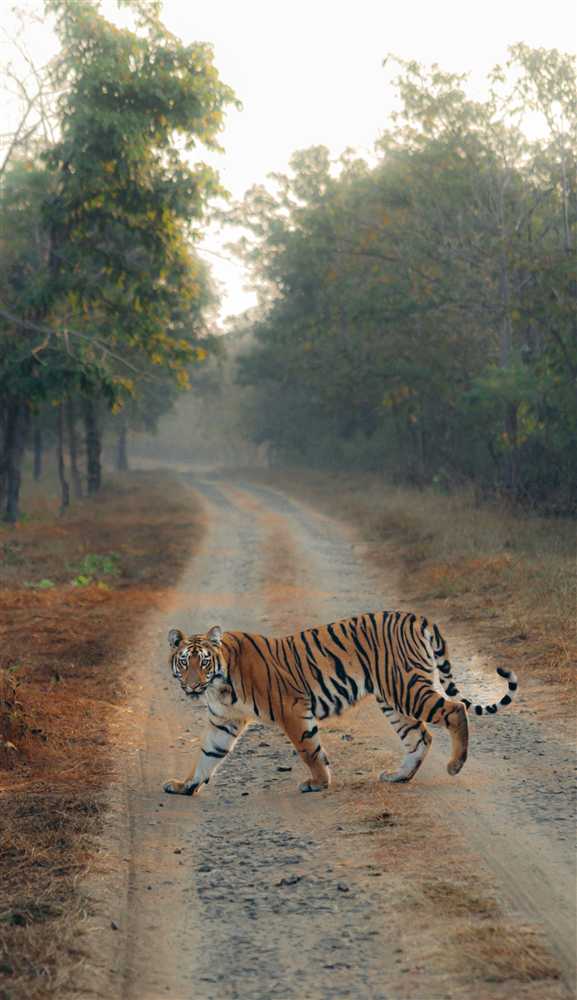
Madhya Pradesh tourism is rapidly evolving with new infrastructure projects, religious tourism circuits, and eco-tourism initiatives in 2026. The approval of a ?758 crore tiger corridor is set to improve connectivity and boost wildlife tourism across major national parks like Satpura and Kanha. At the same time, the development of a religious circuit connecting Ujjain, Omkareshwar, and Chitrakoot with cities like Kashi and Ayodhya is expected to increase pilgrimage tourism in India. With the introduction of helicopter tourism services and air connectivity, exploring top destinations in Madhya Pradesh has become easier than ever. These developments position Madhya Pradesh as one of the best travel destinations in India for wildlife, spiritual journeys, and heritage tourism.
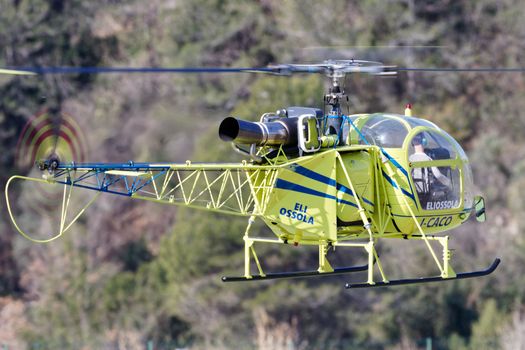
Madhya Pradesh has taken a major step in boosting tourism with the launch of PM Shri Heli Tourism Service, an innovative initiative that allows travelers to explore top destinations by helicopter. This service is designed to reduce travel time, improve connectivity, and offer a premium travel experience across the state.
In April 2026, the government launched a new heli-tourism route connecting Bhopal, Orchha, and Chanderi, creating a fast and convenient travel corridor for tourists.
This allows tourists to cover multiple heritage destinations in a single day, which earlier took 1–2 days by road.
The heli-tourism service is not just a flight—it’s a complete travel package:
Approx Package Cost: ?14,500 per person (introductory)
This heli service is part of the larger PM Shri Paryatan Vayu Seva, launched by Madhya Pradesh Tourism under a PPP model to transform travel across the state.
The aim is to create a state-wide aerial tourism network.
Saves time (covers long distances in hours)
Premium & luxury travel experience Easy access to remote destinations
Boosts religious, heritage & wildlife tourism
Creates new job and business opportunities
This is one of India’s first organized intra-state heli tourism systems.
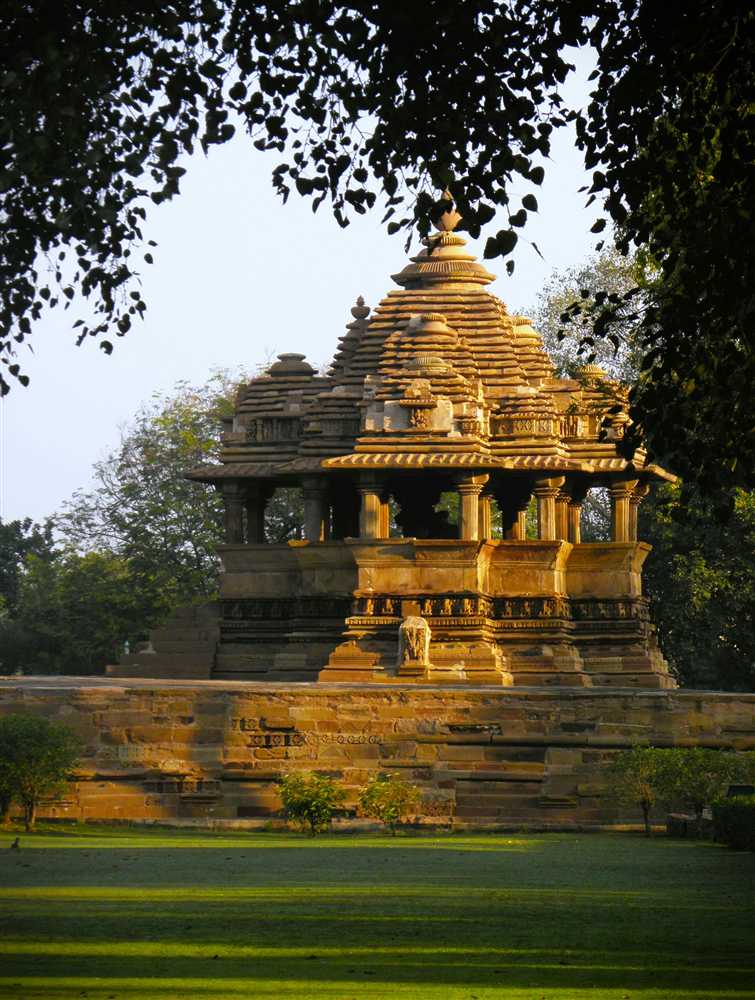
Famous for Ram Raja Temple, palaces & Betwa river ghats
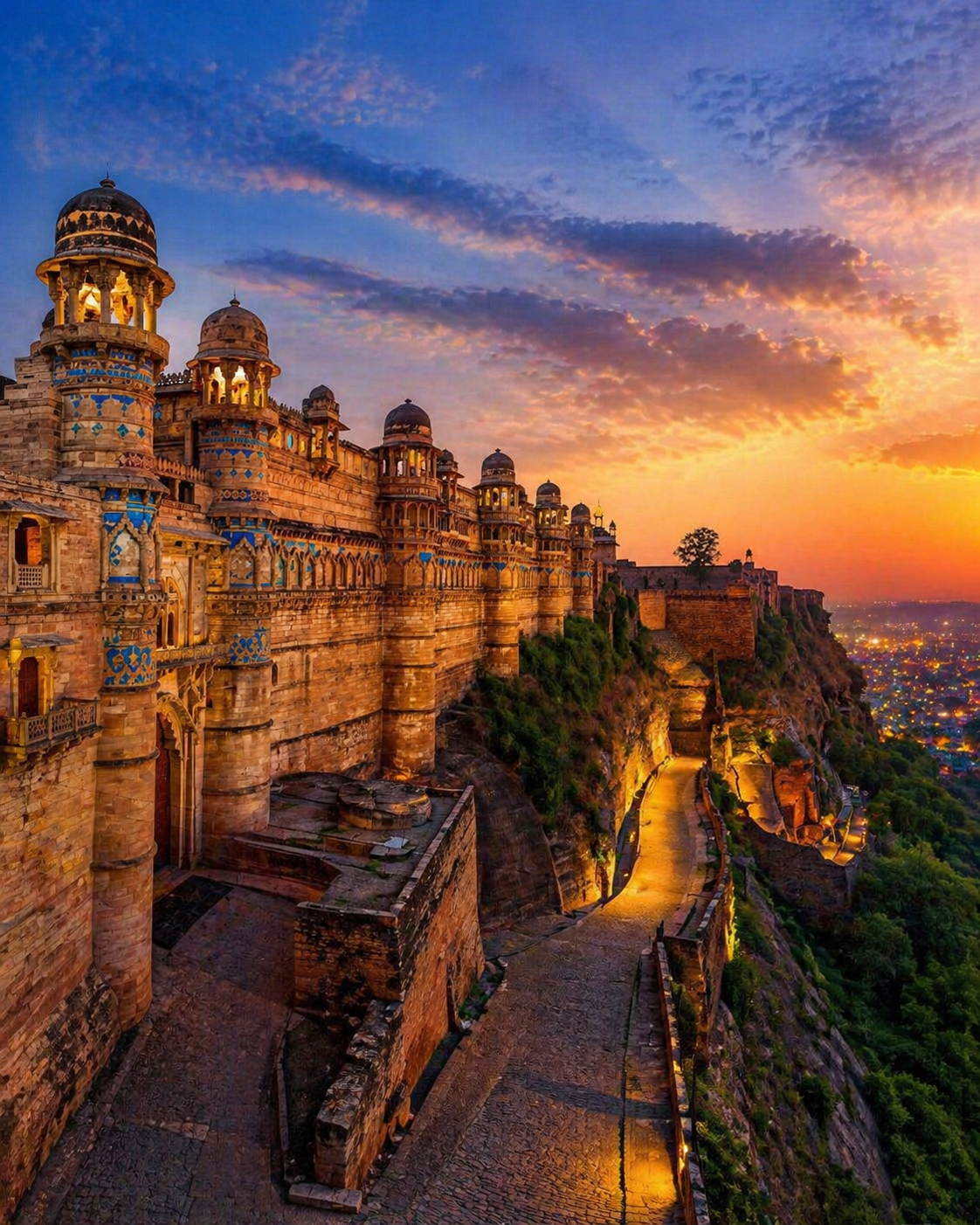
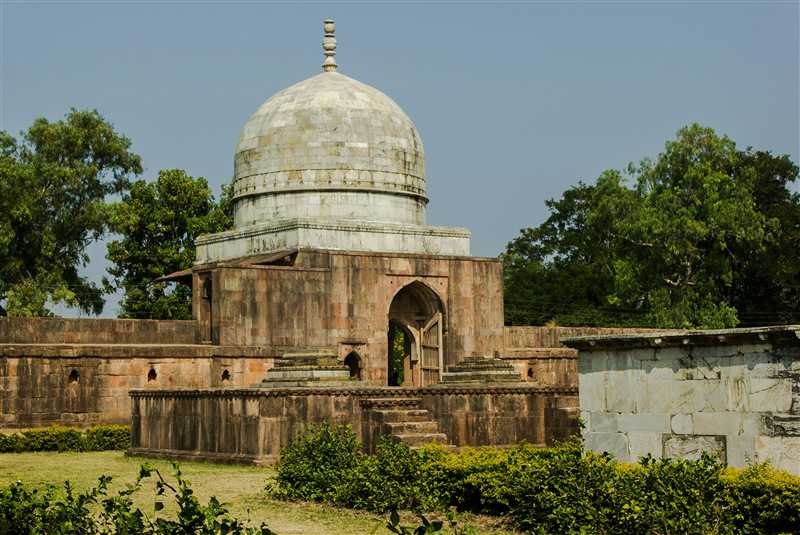
Known for forts, heritage monuments & Chanderi sarees
Capital city with lakes, museums & heritage sites
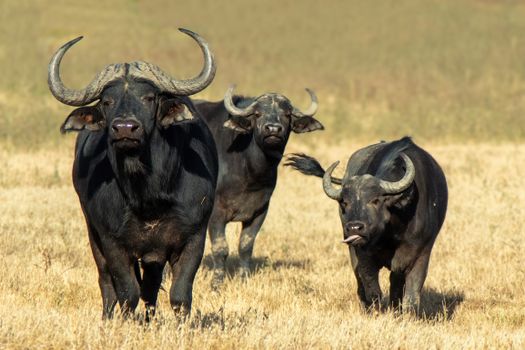
In a major step for wildlife conservation, Madhya Pradesh is set to witness the return of the Wild Water Buffalo after more than 100 years. Once widely found in the forests of central India, wild buffalo populations gradually declined due to excessive hunting, human interference, and the loss of grassland habitats.
The last recorded sighting in Madhya Pradesh was in 1979 in the Supkhar region of Kanha Tiger Reserve. Since then, the species had disappeared from the state, with their primary natural habitat now limited to regions like Kaziranga National Park in Assam.
Under a carefully planned wildlife translocation project, the first phase will bring 4 wild buffaloes (3 females and 1 male) from Kaziranga National Park to Madhya Pradesh.
These animals will be released into the Supkhar and Topla regions of Kanha Tiger Reserve by Chief Minister Mohan Yadav, in the presence of forest officials and local representatives.
Kanha has been identified as an ideal habitat for wild buffalo reintroduction after detailed research by the Wildlife Institute of India. The region offers:
These conditions make it highly suitable for sustaining a healthy wild buffalo population.
Following the buffalo reintroduction, Madhya Pradesh and Assam are planning a wildlife exchange program. Two pairs of Indian Rhinoceros are expected to be brought from Assam and housed at Van Vihar National Park.
In return, Madhya Pradesh will send 3 tigers and 6 crocodiles to Assam, marking a new chapter in inter-state wildlife conservation.
With this initiative, Kanha—already famous for tigers—will now also be recognized for wild buffalo conservation.
As stated by CM Mohan Yadav, this project will add a new dimension to the state’s biodiversity and strengthen its identity beyond being just the “Tiger State” and “Leopard State.”
The return of wild buffalo to Madhya Pradesh is not just a conservation milestone but a powerful step toward restoring ecological balance. This initiative is expected to enhance biodiversity, boost eco-tourism, and reinforce India’s commitment to wildlife preservation.